After 27 years in dog sports, Carole had raised enough dogs to know that each one was different. She had owned purebred dogs from responsible breeders, competed in a variety of dog sports, and built a successful boarding business from her home. Dogs had been a significant part of her life for decades.
Nothing prepared her for Lilly.
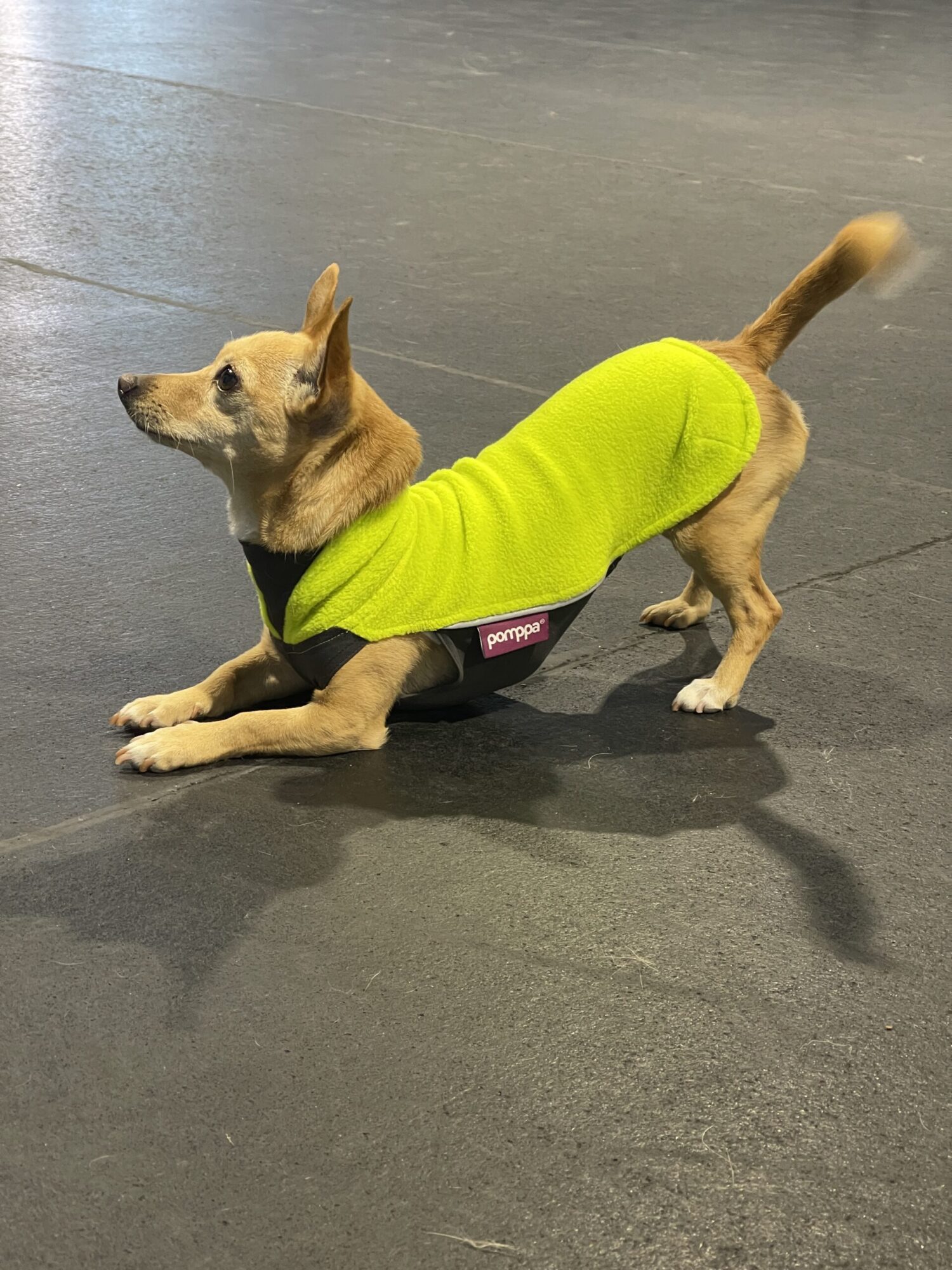
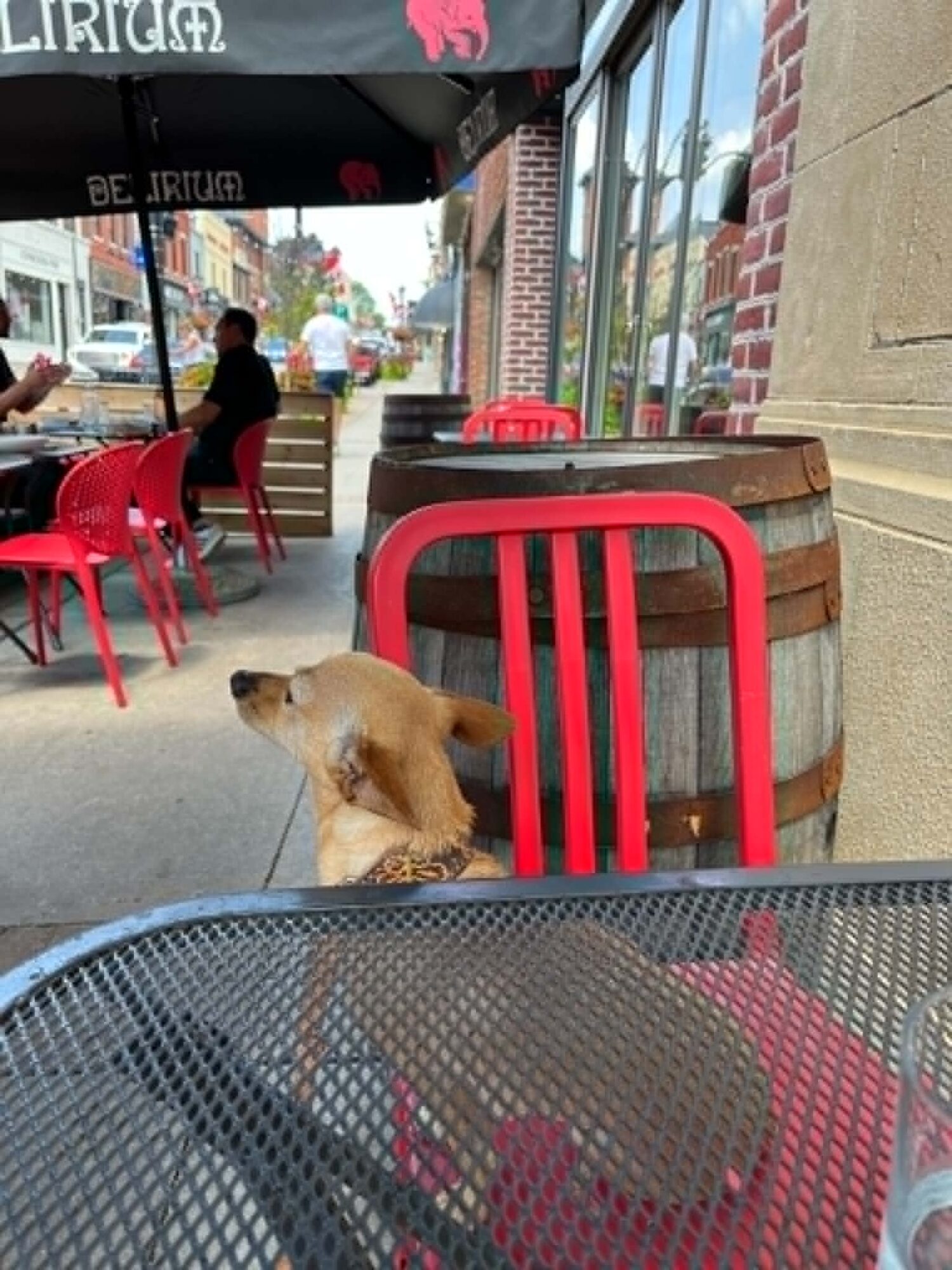
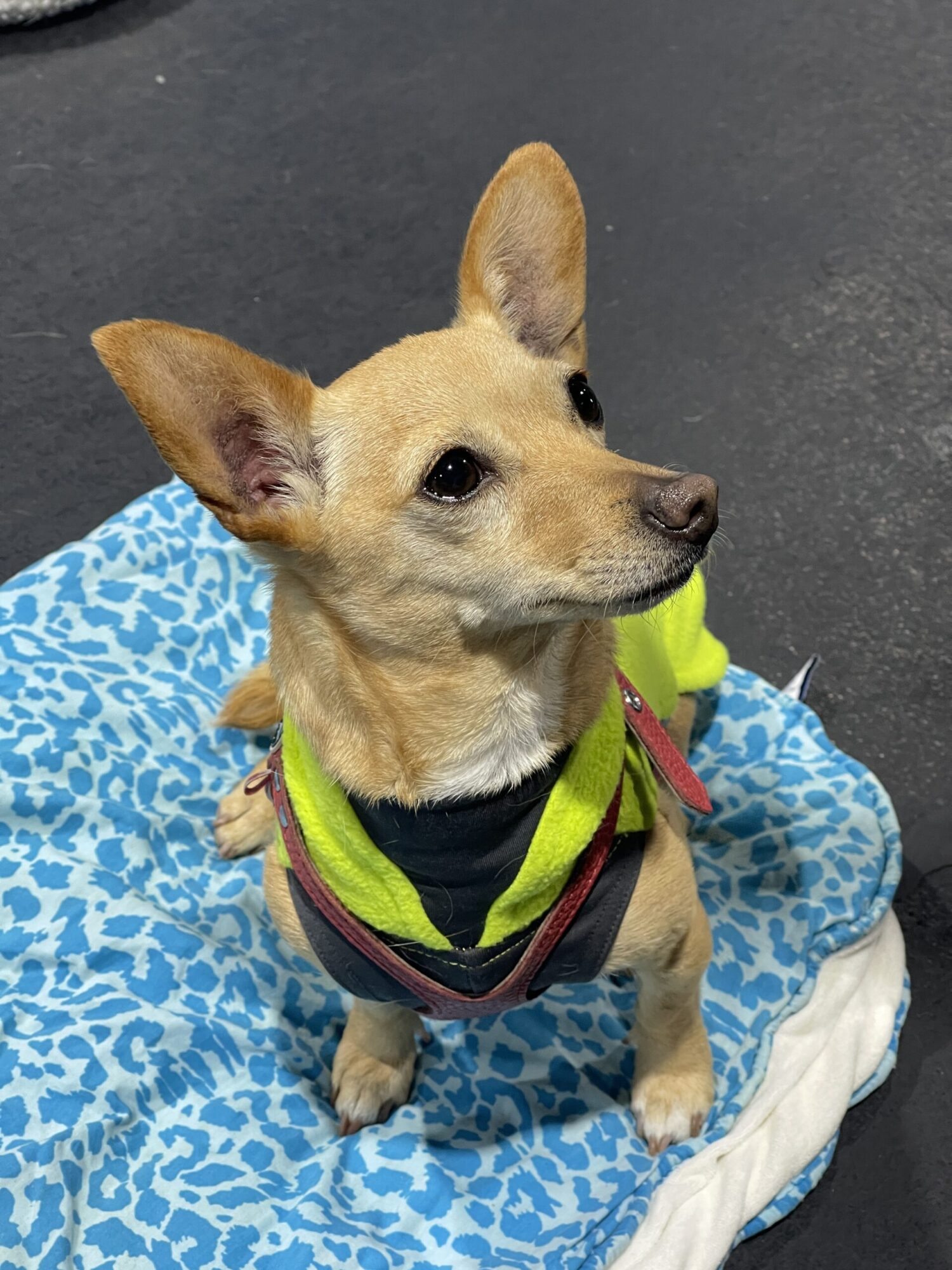
Lilly, a Rat Terrier-Chihuahua mix, was rescued from Texas after she and her littermates were found orphaned and abandoned. After spending time in foster homes and making the long journey to Canada, she arrived in Carole’s care as a young puppy.
From the start, Lilly was different from the dogs Carole had known before.
She was sensitive, cautious, and easily overwhelmed by the world around her. While Carole did many things right, including consistent crate training, thoughtful socialization, and careful management, Lilly continued to struggle. Over time, those struggles became increasingly difficult to ignore.
Around this time, Carole and I were attending scent detection classes together. Before I was her coach, I was her classmate. We connected through social media, and over time I learned more about Lilly and the challenges they were facing.
As the months passed, Lilly’s world seemed to get smaller. She hid under furniture when she felt uncertain. She was fearful of weather changes, especially rain. Thunderstorms, fireworks, rattling sounds in the kitchen, unfamiliar environments, and interactions with children all provoked anxiety and panic. She wore a leash continuously because freedom often resulted in avoidance, hiding, or retreating from the world.
The car was another significant problem. Lilly would pant, stress, and struggle to settle. Carole tried everything she knew to help. She worked on desensitization around the vehicle, played games near it, used food, explored supplements, and even replaced her vehicle with a hybrid in hopes that a quieter ride would make a difference. Nothing seemed to create lasting change.
The hardest part for Carole wasn’t managing the behaviour itself. It was watching Lilly be unhappy and alienated from her. For someone who loved dogs as deeply as she did, that was heartbreaking.
Eventually, Carole visited our booth at a pet expo and picked up a copy of The Way of Life Method. She had already seen my dogs in action and had become curious about the ideas behind the relationship we shared. Now, for the first time, she began exploring those ideas for herself.
What she discovered countered many of her instincts. Like many caring dog owners, Carole’s natural response to Lilly’s struggles was to help her through them. If Lilly was worried, Carole wanted to comfort her. If Lilly was fearful, she wanted to make things easier. Every decision came from a place of love.
Yet one of the most important lessons she encountered through the Method was that confidence is not built by removing every challenge from a dog’s life. Confidence develops when dogs learn that they can successfully move through challenge.
The goal was no longer to eliminate every uncomfortable feeling. The goal became helping Lilly develop the resilience to navigate life more successfully.
Understanding the concept was one thing. Putting it into practice was another.
One of the biggest hurdles involved reintroducing structure through crating. Lilly had previously used a crate, but bringing it back as a consistent expectation felt uncomfortable for Carole. Lilly wasn’t destructive. She wasn’t aggressive. Crating an adult dog felt like moving backwards.
There were moments when Lilly protested and many moments when Carole questioned herself and using the crate overnight, where Lilly manifested much of her anxiety. Most difficult of all were the moments when every instinct told her to step in and rescue Lilly from her discomfort. We provided Lilly with a larger crate, and the reduction in her overnight stress was almost instantaneous.
Looking back, Carole often reflects that the biggest battle wasn’t with Lilly at all. It was learning to resist the urge to rescue her.
As the months passed, small changes began to accumulate. Clearer boundaries created greater predictability. Lilly was separated from the boarding dogs rather than being included with them constantly. Expectations became simpler, calmer, and more consistent.
Most importantly, Carole began responding differently to fear. Instead of negotiating with uncertainty, she provided structure. Instead of trying to fix every emotion, she allowed Lilly to experience manageable challenges and discover that she could move through them successfully.
The progress was gradual. Then one day, it became undeniable.
Rain had always been one of Lilly’s biggest fears. In many ways, it affected her even more than thunder. When storms rolled in, Lilly would become anxious and begin to shake.
Then one day, as the rain started, Lilly quietly walked into her covered crate on her own and settled. She wasn’t trembling. She wasn’t panicking. She simply chose a place where she felt safe and remained calm. For Carole, it was a moment she will never forget. “What a reward,” she recalls.